



 Garantía de entrega








Artículo: AMZ-B0FJFB71Z6
IMMORTAL
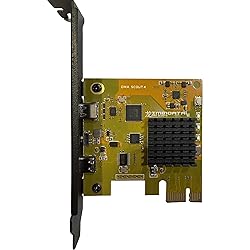
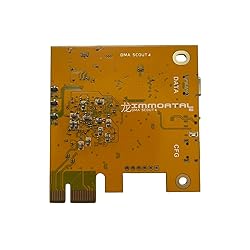
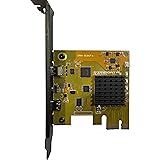
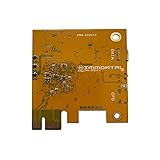
IMMORTAL DMA Card (XC7A35T) – PCILeech Compatible FPGA Board | USB-C/PCIe Direct Memory Access | Pre-Flashed Custom Firmware | Up to 275 MB/s | USB Firmware-Upgradable Artix-7 DMA Scout
Detalles del producto
Disponibilidad
En stock
En stock
Peso con empaque
0.28 kg
0.28 kg
Devolución
Sí
Sí
Condición
Nuevo
Nuevo
Producto de
Amazon
Amazon
Viaja desde
USA
USA
Sobre este producto
- High-Performance PCILeech-Compatible FPGA DMA Card (XC7A35T) The IMMORTAL DMA Scout delivers reliable and high-speed Direct Memory Access up to 275 MB/s, powered by a Xilinx Artix-7 XC7A35T FPGA and custom pre-flashed PCILeech firmware. Designed for developers, reverse-engineers, and forensic specialists, it enables secure, fast, and stable memory interaction between host and target systems. 🔹 Pre-Flashed Custom Firmware: Ready to use — no flashing or setup required. 🔹 Full PCILeech Compatibility: Seamlessly supports memory reading/writing, filesystem access, and analysis tools. 🔹 Smart Cooling System: Aluminum heat sink ensures optimal thermal stability under heavy loads. 🔹 USB-C/PCIe Hybrid Connection: Plug-and-play with most modern systems. 🔹 Firmware-Upgradable: Easily update to the latest custom firmware via USB. For installation files, updates, and support, visit immortaltech.net
$306,69
44% OFF
$170,39
IMPORT EASILY
By purchasing this product you can deduct VAT with your RUT number
$306,69
44% OFF
$170,39
Envío gratis
 Llega en 5 a 12 días hábiles
Con envío
 Tienes garantia de entrega
Este producto viaja
de USA ![]() a tus manos en
a tus manos en
![]()
 a tus manos en

Conoce más detalles
ARTIX‑7 XC7A35T FPGA – Xilinx 7‑Series silicon delivers high logic density, low power draw, fast transceivers, robust DSP blocks, and AMS features for demanding DMA and embedded projects. USB‑C 3.2 FT601 INTERFACE – Achieve up to 275 MB/s PCILeech read/write speeds over a USB 3.2 link, eliminating data‑path bottlenecks. PLUG‑AND‑PLAY USB‑C JTAG – Flash new bitstreams or firmware through the on‑board Update port; no external JTAG pods or ribbon cables needed. PCILEECH COMPATIBLE – 64‑bit memory access and PCIe TLP support work out of the box with the standard PCILeech toolkit. CONVENIENT POWER SWITCH – Integrated on/off rocker lets you disable the board without removing it from your system. DUAL‑LAYER COOLING – Precision thermalpad under a rugged aluminum shield keeps the XC7A35T cool, minimizing thermal throttling during sustained high‑speed transfers.
Compra protegida
Disfruta de una experiencia de compra segura y confiable
![]() Garantía de entrega
Garantía de entrega
Con Tiendamia todas tus compras cuentan con Garantía de Entrega o devolución total de tu dinero.
Compras 100% seguras y garantizadas, para que pidas lo que sueñas y lo recibas del mundo a tu puerta.
Tarjetas de Débito y Crédito

Visa

Mastercard

American Express

Dinners

Discover

Alias
Pagos a través de PayPal
Compra procesada en dólares con dinero en cuenta o tarjetas internacionales.

PayPal

.svg)